In the realm of construction, choosing the best materials can considerably influence the sustained performance and durability of a structure. Within various options available, bricks for construction are distinctive due to their special qualities. Their historical use in architecture, coupled with modern developments, has made them a standard in residential and commercial projects similarly. Residential builders and contractors alike are increasingly recognizing the multiple benefits that bricks provide, particularly in terms of energy conservation and durability.

A of the strongest features of bricks is their ability to control heat, contributing to lower energy usage throughout the year. By taking in Custom Print Bricks during the day and releasing it slowly at night, brick walls help to preserve a comfortable indoor climate. This thermal mass not only diminishes the reliance on HVAC systems but also leads to lower energy bills and a minimized environmental footprint. Moreover, bricks are well-known for their sturdiness and endurance, ensuring that structures stay solid and effective for ages. As we explore further into the advantages of bricks, it is apparent why they are an enduring choice for building projects across the world.
Efficiency of Energy of Brick Construction
Bricks are renowned for their superior energy efficiency, making them a favored option in construction. The compact nature of brick material means that it can successfully resist heat transfer. Custom Brick Figures results in structures that maintain stable indoor temperatures, reducing the need for intense heating and cooling. Consequently, residents and building occupants can experience decreased utility costs while also cutting down their impact on the environment.
The thermal capacity of bricks allows them to absorb, store, and release heat over a period. During the day, bricks absorb solar heat, which helps to regulate the temperature inside a building. At night, when temperatures drop, this stored heat is released, creating a pleasant living environment. This inherent temperature control reduces dependence on man-made heating and cooling systems, further contributing to efficiency in energy use.
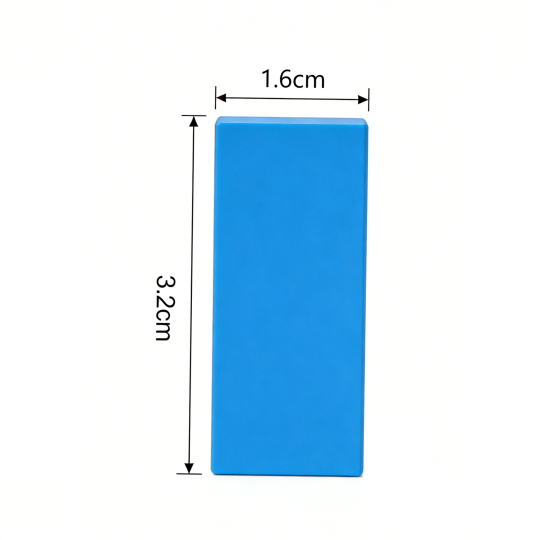
In also to their thermal properties, bricks are often used in sustainable building designs. The combination of bricks with insulation materials can enhance comprehensive energy performance. Furthermore, many recent brick options are designed with sustainability in mind, using recycled materials or innovative manufacturing processes that lower their emissions. Gobricks Bulk Bricks of natural and designed benefits makes this material a top choice for energy-conscious construction.
Resilience of Brick Materials
Masonry bricks for construction have a established reputation for their exceptional durability. They are designed to withstand diverse environmental conditions, like extreme weather, moisture, and temperature fluctuations. This resilience makes them an ideal choice for buildings intended to last for a long time, if not centuries. Their ability to remain stable over time contributes greatly to the overall longevity of any construction project.
One of the crucial elements contributing to the durability of brick materials is their inherent strength. These materials are made from organic clay or concrete and are baked at high temperatures, which boosts their hardness and resistance to physical deterioration. visit my website means that structures built with bricks are less likely to suffer from cracks, chips, or other forms of deterioration compared to those made with less durable materials. Additionally, bricks are fire-resistant, adding another layer of safety and longevity to buildings made from this material.
In addition, bricks require basic maintenance, further supporting their durability. Unlike wood, which may rot or attract pests, or other materials that may require frequent repairs or upgrades, brick structures tend to maintain their aesthetic and structural integrity with little effort. This results in enduring cost savings for property owners, as they can enjoy a visually appealing, enduring façade without the burden of frequent upkeep. In essence, the durability of brick materials makes them a prudent investment for any construction project.
Cost-Effectiveness of Brick Throughout the Years
When evaluating the financial benefits of masonry as a building material, it is crucial to take into account not just the upfront cost but also the long-term benefits it provides. While the initial price of brick may be elevated than some other options, its durability ensures reduced maintenance and replacement costs over the lifetime of the building. Masonry units are resistant to harm from elements, flames, and pests, which means they require less frequent repairs and can endure for many years without major deterioration.
Additionally, masonry provide superior thermal insulation. This heat retention leads to reduced energy expenses for warming and cooling, resulting to significant savings over time. A well-insulated masonry structure reduces the reliance on heating systems and cooling systems units, which not only lowers utility bills but also lessens the environmental footprint of the structure. As energy prices continue to increase, the monetary advantages of investing in energy-efficient materials like brick become clearer.
Finally, the visual attractiveness and higher market value associated with brick homes can boost their economic efficiency. Homes made with brick often see a greater market price compared to those constructed with weaker alternatives. Homebuyers are prepared to pay a premium for brick properties due to their durability and timeless aesthetic. Thus, while the initial costs may be higher, the overall investment in bricks for building is worthwhile in terms of durability, cost efficiency, and increased worth over the years.