

Blocks have been a essential constructive material for ages, providing the backbone for numerous buildings around the earth. From old cultures to modern architecture, the lasting allure of bricks for building lies in their versatility, strength, and aesthetic beauty. These little, strong units are not just a way to an end; they are the building pieces of aspirations, each brick symbolizing the imagination and vision of constructors and planners throughout time.
The art of brick construction is not simply about stacking one brick on another. It requires a thorough understanding of resources, techniques, and design elements. https://mygobricks.com/collections/bulk-bricks – from the variety of brick to the adhesive that binds them – plays a critical role in the overall stability and aesthetic of the structure. As we investigate the detailed world of bricks for construction, we will find how this traditional art continues to progress, shaping our homes, towns, and communities in meaningful ways.
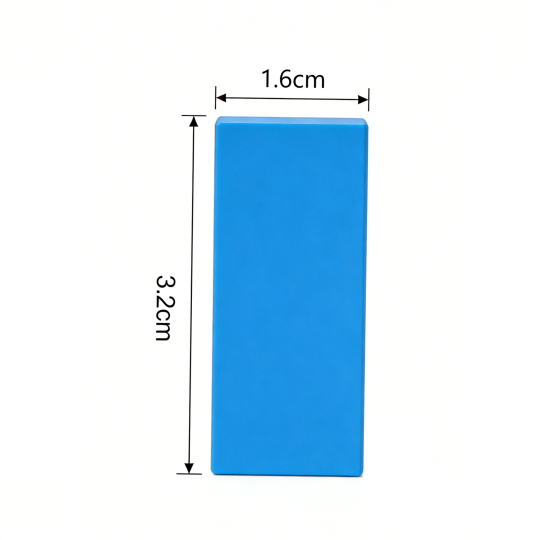
Categories of Blocks
Blocks for construction come in a variety of kinds, each offering distinct properties and benefits that can influence a project's design and durability. https://mygobricks.com/collections/custom-print-bricks of the most popular types is the clay brick, known for its durability and versatility. Clay bricks are made from clay that is shaped and then fired in a kiln, which gives them a dense and durable structure. These blocks are widely used in both residential and home and business buildings due to their outstanding insulation and thermal properties.
An additional common option is the concrete brick, which is produced from cement, gravel, and water. Concrete bricks are renowned for their durability and are often used in load-bearing applications such as barriers and foundations. They are also available in different sizes and shapes, allowing for innovative design options. Additionally, cement blocks can be made with various textures and colors, providing aesthetic versatility while preserving structural integrity.
Lastly, there are specialty blocks such as heat-resistant bricks and ornamental bricks. Heat-resistant bricks are crafted to endure high temperatures and are important in applications like fireplaces and industrial furnaces. On the other hand, decorative bricks are often used for aesthetic purposes, improving the visual appeal of a building's facade. With so many kinds of blocks available, selecting the appropriate one for construction relies on the specific needs and goals of the project.
Masonry Techniques
Efficient bricklaying techniques are crucial for creating sturdy and visually appealing structures. One of the most basic methods is the running lay, where bricks are laid in rows with each brick overlapping the one below it. This technique offers a strong connection and is commonly used in walls. It not only enhances the appearance but also augments the wall’s strength and stability. Bricklayers often begin at the edges of the structure, ensuring that the first row is perfectly level, which establishes the foundation for the rest of the work.
Another well-known technique is the cross bond, which alternates between a capstone and a long brick in each row. This method is particularly effective for walls that require additional strength and durability. By using this technique, layers of bricks coordinate to distribute weight evenly, avoiding potential damages or failures. The cross bond is particularly valued in load-bearing applications, making it an excellent choice for both residential and business buildings. Mastering this technique requires precision and an awareness of how bricks interact under various conditions.
Finally, the English bond combines alternate rows of stretchers and headers, providing a classic and robust option for brick masonry. This technique is especially valued for its strength and aesthetic quality, often employed in historic and traditional buildings. To achieve a flawless finish, bricklayers pay particular attention to mortar joints and alignment as they construct each layer. Good communication and teamwork among crew members are also essential during this process to ensure that the work proceeds smoothly and effectively, ultimately resulting in a beautifully built brick wall.

Sustainability in Brickwork Construction
The construction industry has been making major strides toward eco-friendliness, and brick materials play a vital role in this movement. Conventional clay bricks are made from organic materials that are plentiful and often procured locally, reducing transportation emissions. Furthermore, companies are increasingly adopting eco-friendly practices in the production process, such as using waste materials and optimizing energy consumption during firing. This shift not only reduces the carbon footprint of brick production but also contributes to a circular economy.
Another aspect of sustainability in brick construction is the energy efficiency that brick structures provide. Bricks have superior thermal mass, meaning they can absorb heat during the day and disperse it slowly at night. This quality helps regulate indoor temperatures, lessening the need for artificial heating and cooling systems, which in turn decreases energy consumption. By utilizing bricks in building designs, builders can create more enjoyable living environments while encouraging energy conservation.
Additionally, the lifespan of bricks contributes sustainable construction practices. Well-designed brick buildings can last for generations with minimal maintenance, lowering the need for frequent repairs or replacements that use up resources. As society shifts towards more sustainable building solutions, the use of bricks allows architects and builders to create resilient structures that not only fulfill contemporary needs but also adhere to environmental responsibility.